Foresight follows Tom as he moves through landscapes shaped by memory, labor and continuous transformation. As forests, industrial zones, abandoned structures and peripheral territories intersect, subtle connections begin to emerge between seemingly unrelated places, events and traces.
Rather than following a conventional narrative, the film unfolds as a psychogeographic exploration of perception and environment. Fragments, disappearances, recurring signals and overlooked details gradually form a shifting network of relationships extending beyond any individual perspective.
Between observation and intuition, reconstruction and decay, Foresight explores emergence — the appearance of new forms, meanings and possibilities arising through the interaction of people, places, materials and time.
Numatymas seka Tomą, judantį per kraštovaizdžius, kuriuos formuoja atmintis, darbas ir nuolatinė kaita. Miškams, industrinėms zonoms, apleistoms struktūroms ir miesto paribiams persidengiant, ima ryškėti ryšiai tarp iš pirmo žvilgsnio nesusijusių vietų, įvykių ir pėdsakų.
Vietoje tradicinio pasakojimo filmas vystosi kaip psichogeografinis aplinkos ir suvokimo tyrimas. Fragmentai, išnykimai, pasikartojantys signalai ir nepastebimos detalės pamažu susijungia į kintantį santykių tinklą, kuris peržengia individualios perspektyvos ribas.
Tarp stebėjimo ir intuicijos, rekonstrukcijos ir irimo, „Numatymas“ tyrinėja emergenciją — naujų formų, prasmių ir galimybių atsiradimą žmonių, vietų, medžiagų ir laiko sąveikoje.
NOCTUS – tai paroda apie miestą ir aplinką kaip nuolat kintančią sistemą, veikiamą statybų, klimato, ekonominių procesų, atminties ir vaizduotės. Parodoje tyrinėjamos būsenos tarp formavimosi ir irimo, tarp prognozės ir nykimo, kuriose architektūra, medžiaga ir žmogaus veikla pradeda veikti kaip viena struktūra. Parodos centre – buvusios kailių gamyklos teritorija Užupio ir Paupio sandūroje. Ši vieta tampa urbanistinio virsmo lauku, kuriame persidengia industrinis paveldas, statybų plėtra, gyvūninės kilmės medžiagos, amatų istorija ir naujos miesto projekcijos. Gamyklos erdvė čia suvokiama kaip aktyvi terpė – sugerianti darbo, transformacijos ir nykstančios aplinkos pėdsakus.
Parodoje naudojamos medžiagos – betonas, viskoelastinės putos, kailis, tekstilė, refleksiniai paviršiai, tinklai, reljefai, vaizdo fragmentai – tampa ne tiek objektais, kiek būsenomis. Kai kurios formos atrodo lyg iškilusios iš pačios architektūros: tarsi sienos, grindys ar konstrukcijos pradėtų generuoti savo pačių atmintį. Viskoelastinės skulptūros purškiamos betonu – minkšta, prisitaikanti medžiaga čia virsta sustingusia struktūra. Šie objektai balansuoja tarp poilsio vietos, miego zonos, plausto ir griuvėsio. Jie kalba apie kūną, bandantį prisitaikyti prie nuolat kintančios aplinkos, ir apie galimybę „išplaukti“ iš zonos – tiek fiziškai, tiek psichologiškai.
Kailio ir tekstilės elementai parodoje veikia kaip lokalios atminties sluoksniai. Kailis čia tampa medžiaga, jungiančia amatų istoriją, prekybą ir industrinę transformaciją. Šie paviršiai kaupiasi tarsi urbanistinė oda — sugerianti skirtingų epochų, darbo ir prisilietimų pėdsakus. Parodoje svarbi ir pareidolijos idėja – žmogaus polinkis matyti formas, veidus, ženklus ten, kur jų galbūt nėra. Klimato dariniai, debesys, oro srautai, dėmės, paviršių deformacijos ir miesto struktūros tampa savotiškomis projekcijomis, kuriose žiūrovas ieško prasmės. Oras čia suvokiamas kaip skulptūrinė medžiaga: nematoma, bet nuolat formuojanti aplinką.
Virš miesto kylantys statybiniai kranai parodoje interpretuojami kaip laikinos monumentalios skulptūros – transformacijos ženklai. Jie žymi ne tik fizinę miesto plėtrą, bet ir platesnius socialinius bei politinius procesus: gentrifikaciją, teritorijų perrašymą, istorinių sluoksnių išstūmimą. Miestas čia suvokiamas kaip kūnas, kuris rekonstruojamas realiu laiku.
NOCTUS veikia tarp archeologinių, geodezinių ir žemėlapiškų struktūrų, kuriose persidengia medžiaga, filmo siužetai, architektūra, klimato dariniai ir miesto atmintis. Parodoje formos atsiranda tarsi skirtingų procesų sankirtose — vienos dar tik kaupiasi, kitos jau nyksta ar keičia savo paskirtį. Kaip ir parodos kūriniai: arba jie suras savo laiką, arba ne. Tai erdvė tarp konstrukcijos ir irimo, tarp prognozės ir griūties, tarp to, kas jau paliko pėdsaką, ir to, kas dar tik formuojasi.
NOCTUS is an exhibition about the city and environment as a constantly shifting system shaped by construction, climate, economic processes, memory, and imagination. The exhibition explores states between formation and decay, between prediction and disappearance, where architecture, material, and human activity begin to operate as a single structure.
At the center of the exhibition is the territory of a former fur factory located at the intersection of Užupis and Paupys. This site becomes a field of urban transformation where industrial heritage, construction development, animal-derived materials, craft history, and new projections of the city overlap. The factory space is perceived here as an active medium — absorbing traces of labor, transformation, and a vanishing environment.
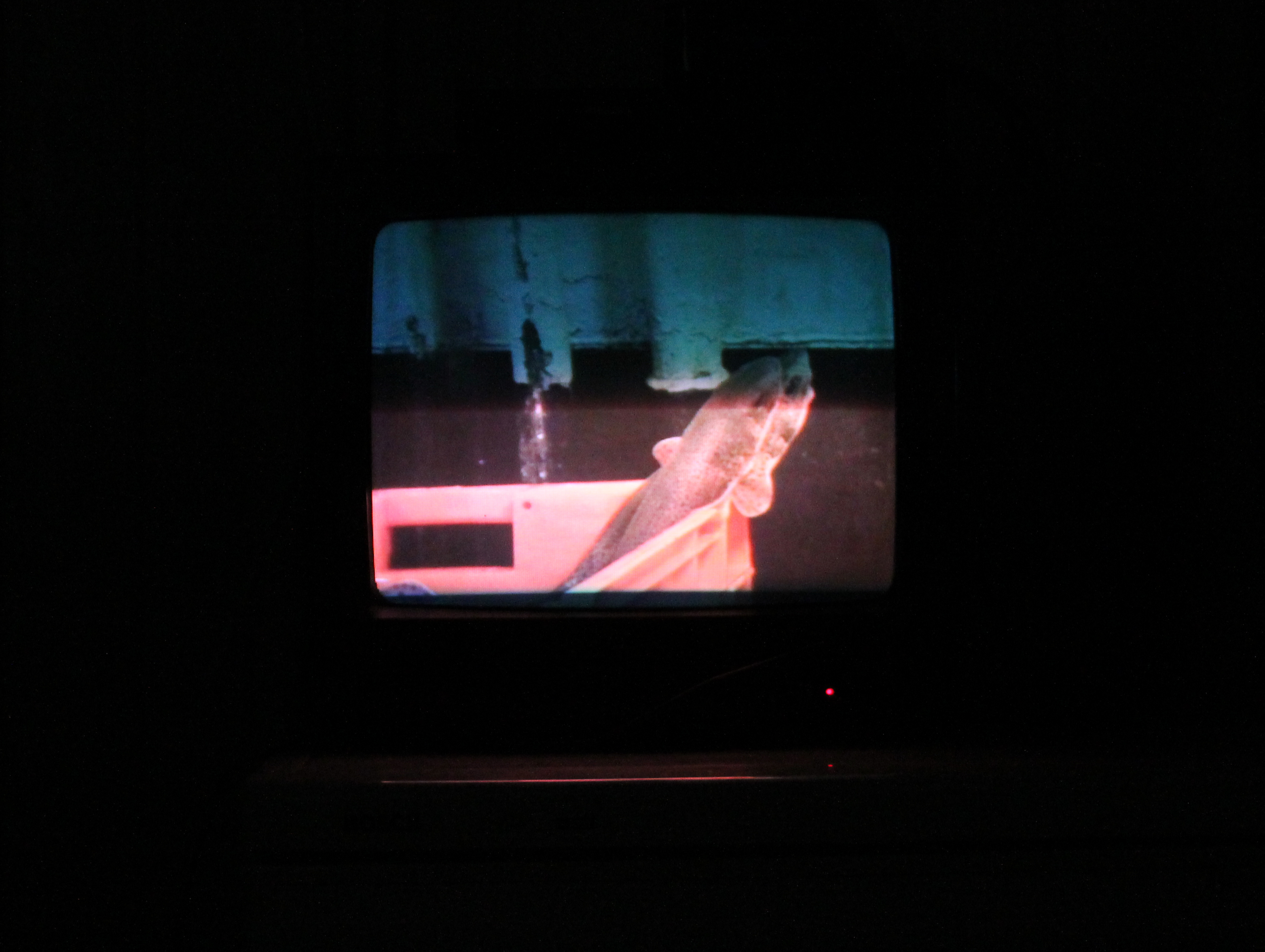
The materials used in the exhibition — concrete, viscoelastic foam, fur, textiles, reflective surfaces, nets, reliefs, and video fragments — function less as objects and more as states of being. Some forms appear as if they have emerged from the architecture itself: as though walls, floors, or structural elements had begun generating their own memory.
The viscoelastic sculptures are sprayed with concrete — a soft, adaptive material transformed into a rigid structure. These objects balance between resting place, sleeping zone, raft, and ruin. They speak about the body attempting to adapt to a constantly changing environment, and about the possibility of “floating out” of the zone — both physically and psychologically. The fur and textile elements in the exhibition function as layers of local memory. Fur becomes a material connecting craft history, trade, and industrial transformation. These surfaces accumulate like an urban skin — absorbing traces of different eras, labor, and touch.
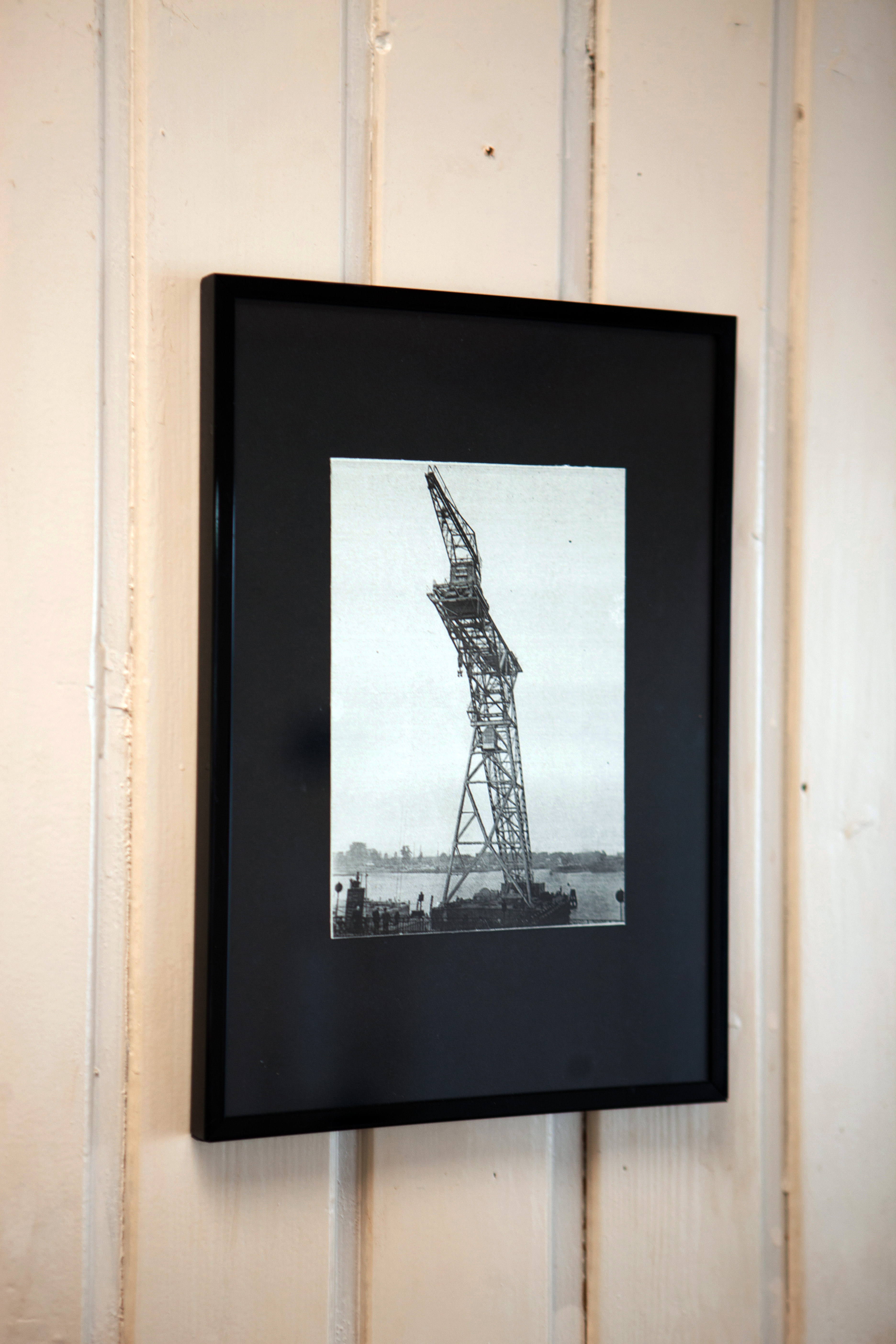
An important aspect of the exhibition is the idea of pareidolia — the human tendency to perceive forms, faces, and signs where there may be none. Climate formations, clouds, air currents, stains, surface deformations, and urban structures become projections through which the viewer searches for meaning. Air itself is understood here as a sculptural material: invisible, yet constantly shaping the environment. The construction cranes rising above the city are interpreted in the exhibition as temporary monumental sculptures — signs of transformation. They mark not only the physical expansion of the city, but also broader social and political processes: gentrification, the rewriting of territories, and the displacement of historical layers. The city is perceived here as a body being reconstructed in real time.
NOCTUS operates between archaeological, geodetic, and cartographic structures in which material, film narratives, architecture, climate formations, and urban memory overlap. Forms emerge at the intersections of different processes — some are only beginning to accumulate, while others are already decaying or shifting their purpose. Like the works in the exhibition themselves: either they will find their time, or they will not. It is a space between construction and decay, between foresight and collapse, between what has already left its trace and what is only beginning to form.
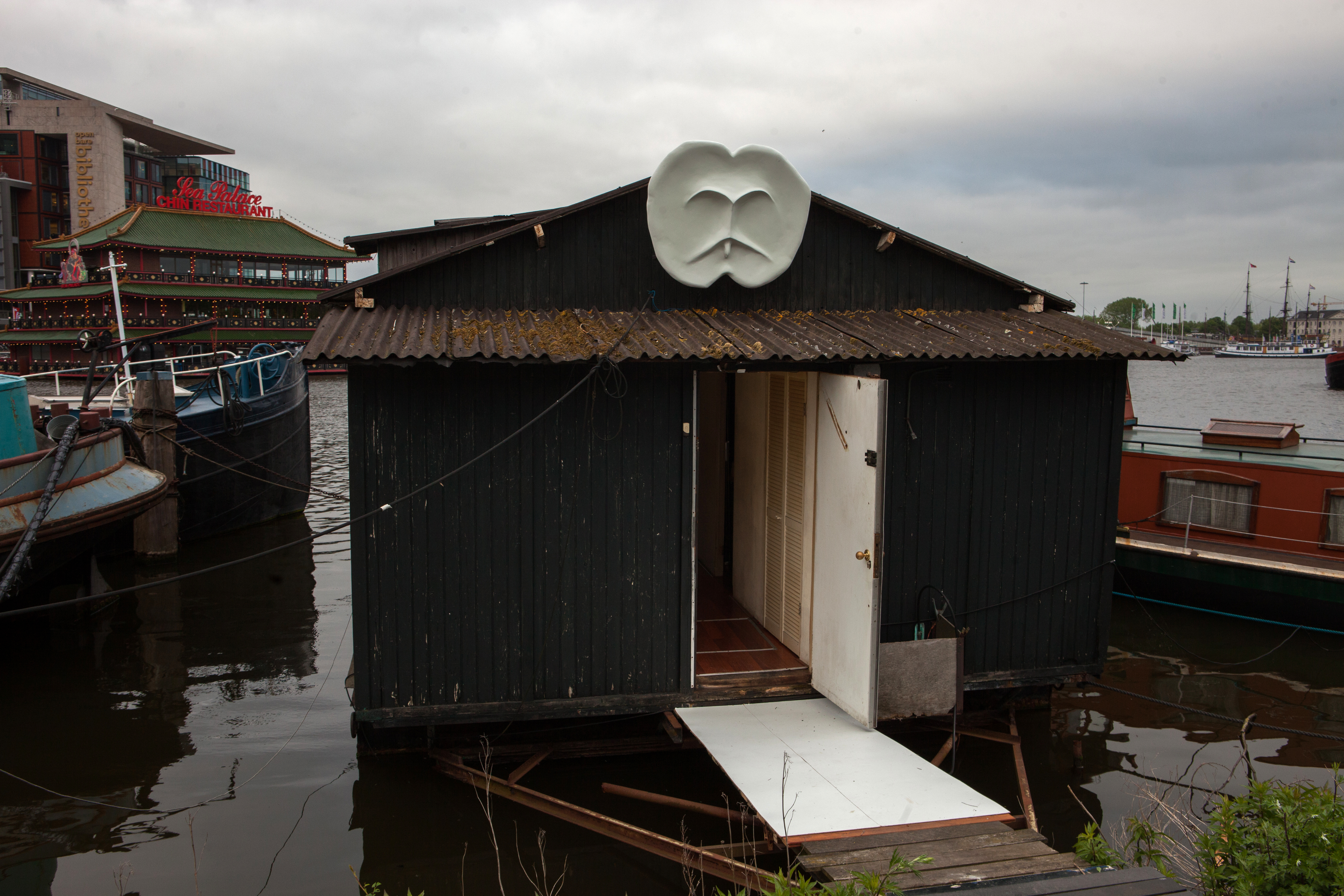
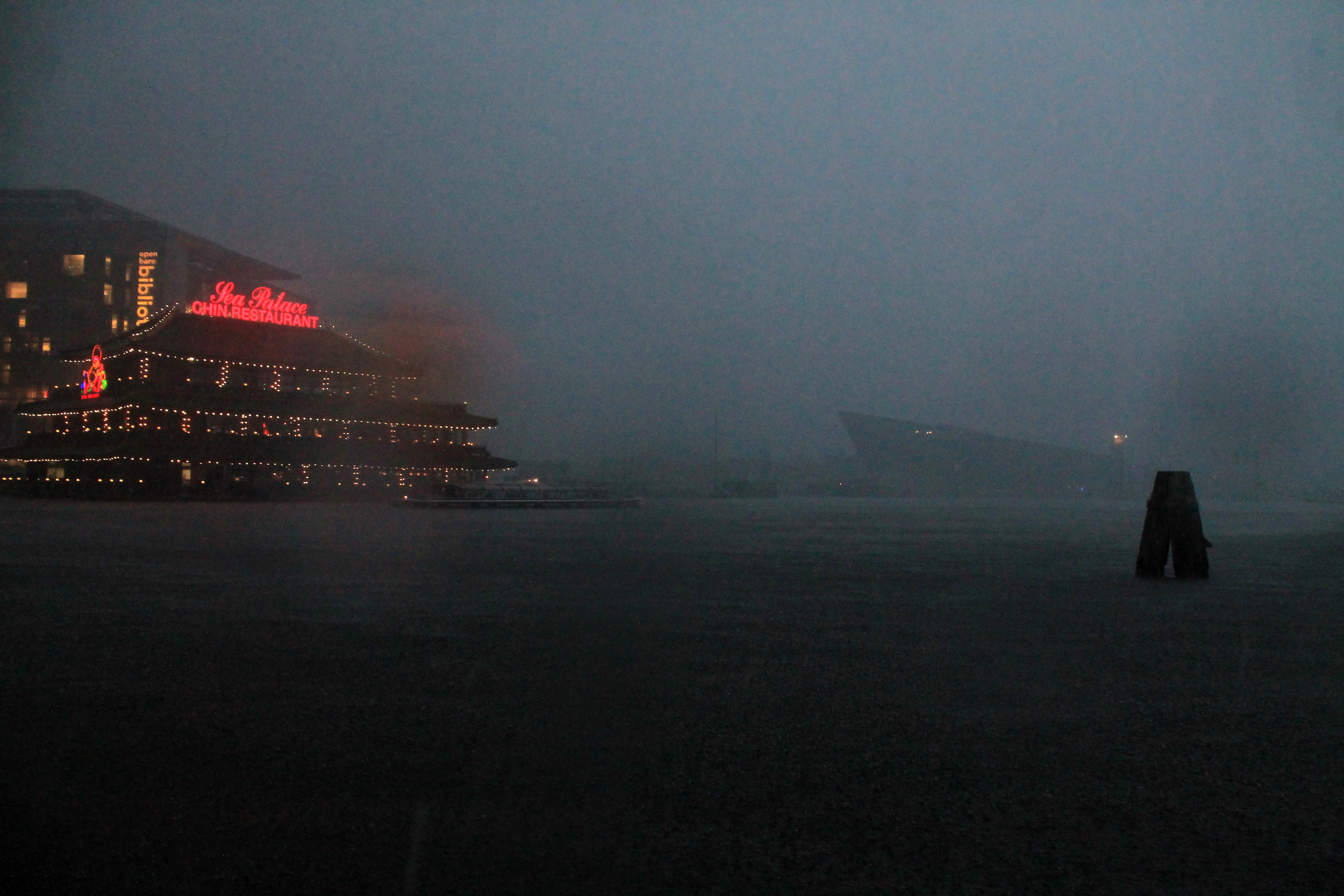
Petra Ark Space (PAS) was a floating artist-run platform operated by the artist Jokūbas Čižikas within Amsterdam's canal system. Originally constructed during the First World War as an industrial crane barge, the vessel later became a houseboat and today continues its transformation as a site for contemporary art, research and cultural experimentation.
Suspended between industrial heritage, domestic architecture and speculative future use, PAS exists in a state of permanent transition. Its uncertain status mirrors broader questions surrounding urban development, ecological futures, disappearing histories and the possibility of alternative cultural spaces.
Through exhibitions, gatherings and collaborative projects, PAS functioned as a nomadic structure navigating the intersections of memory, community, environment and artistic imagination.
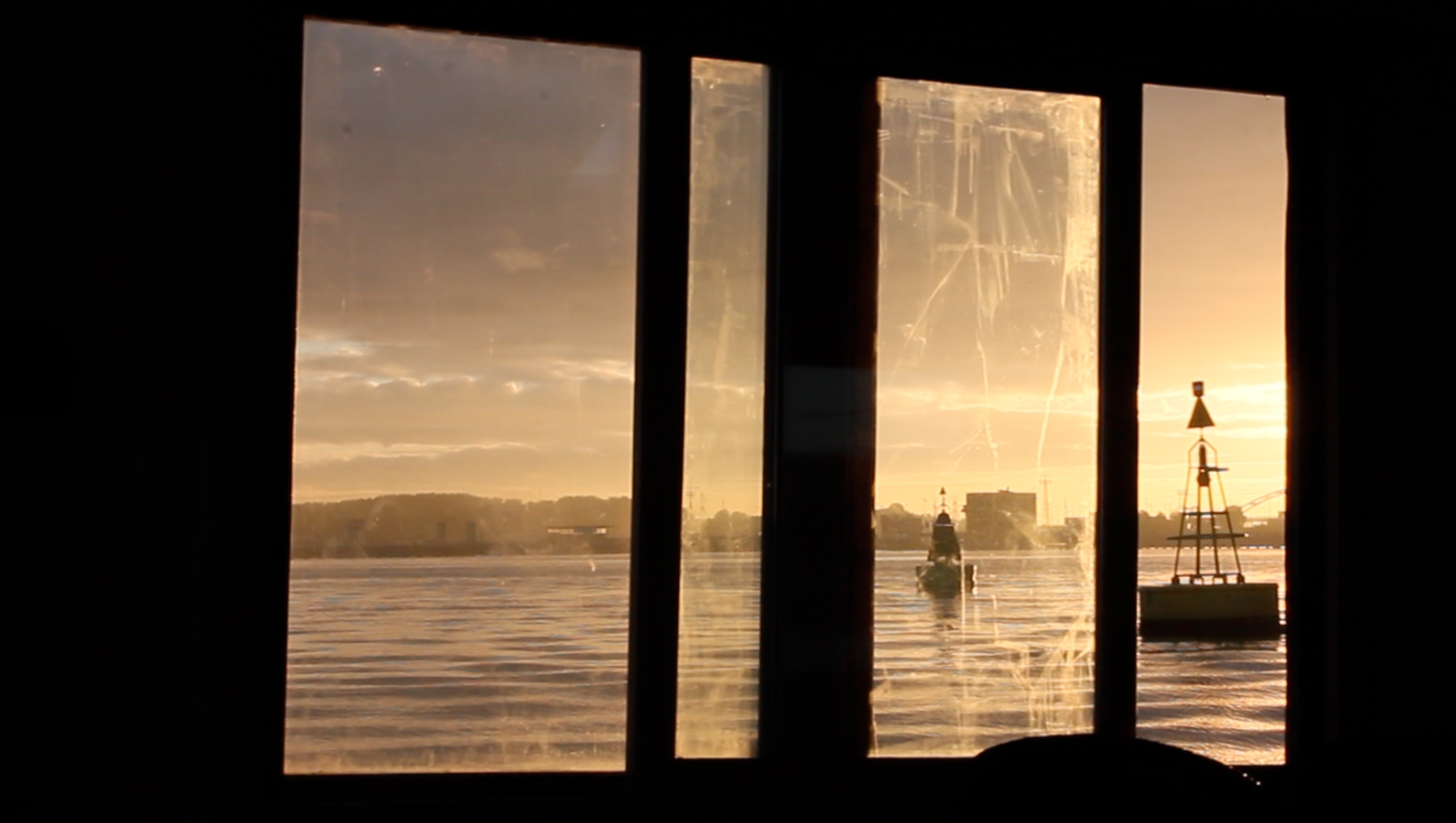
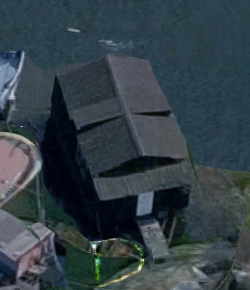
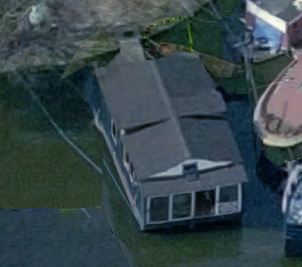
A future extension of Petra Ark Space imagines a dialogue between Amsterdam's canal network and the waterways of Vilnius: the Neris and Vilnele rivers that historically connected the city to wider systems of trade, industry and material circulation.
Emerging from the research developed through Noctus, the proposal investigates waterborne infrastructures and contemporary cultural production. Both the Petra Ark and former industrial sites surrounding Vilnius occupy transitional states between past and future uses, carrying traces of labour, manufacturing, migration and urban transformation.
Conceived as a floating platform for exhibitions, research and public interventions, the project imagines waterways as active cultural corridors through which materials, stories and communities continue to move.

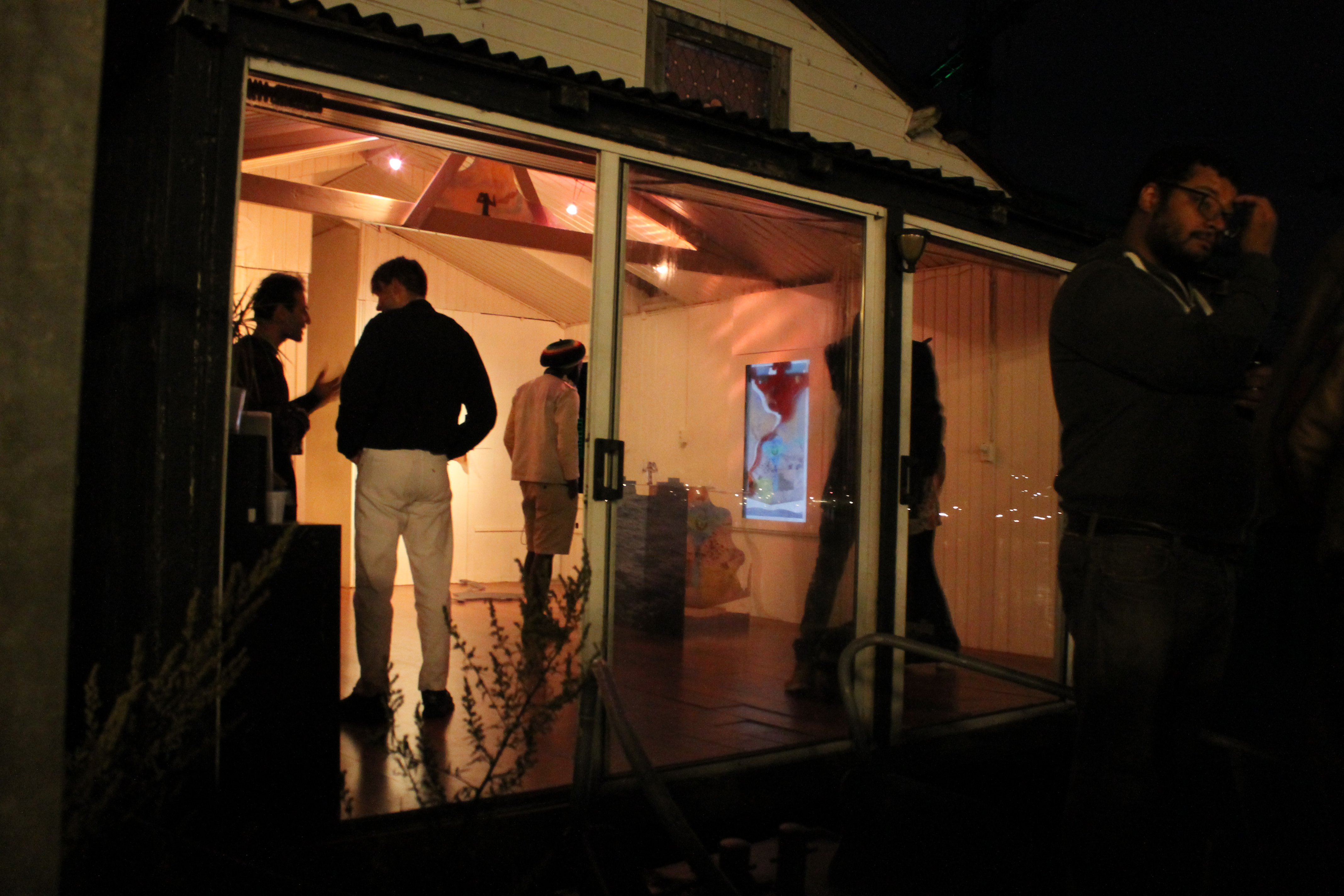
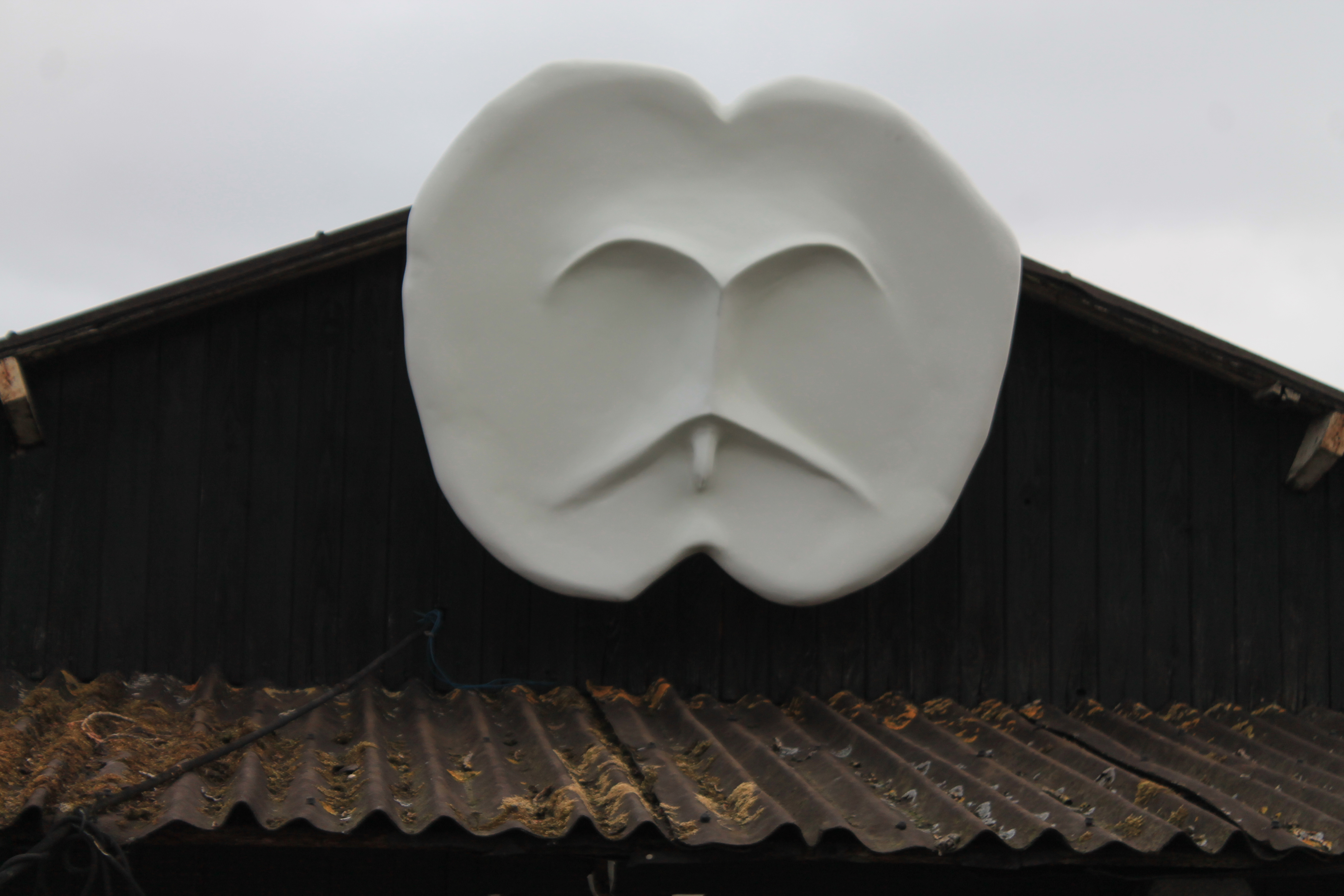
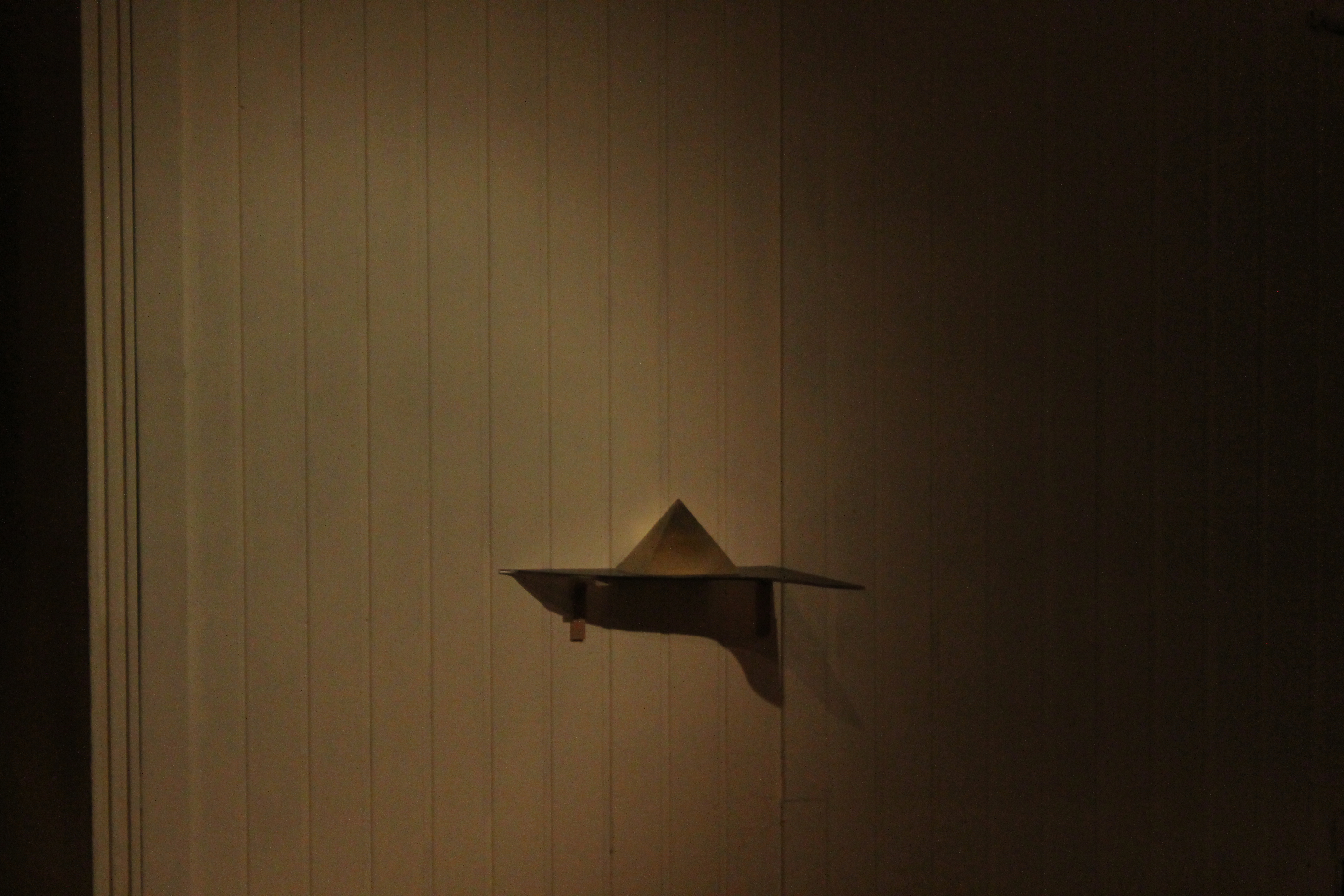
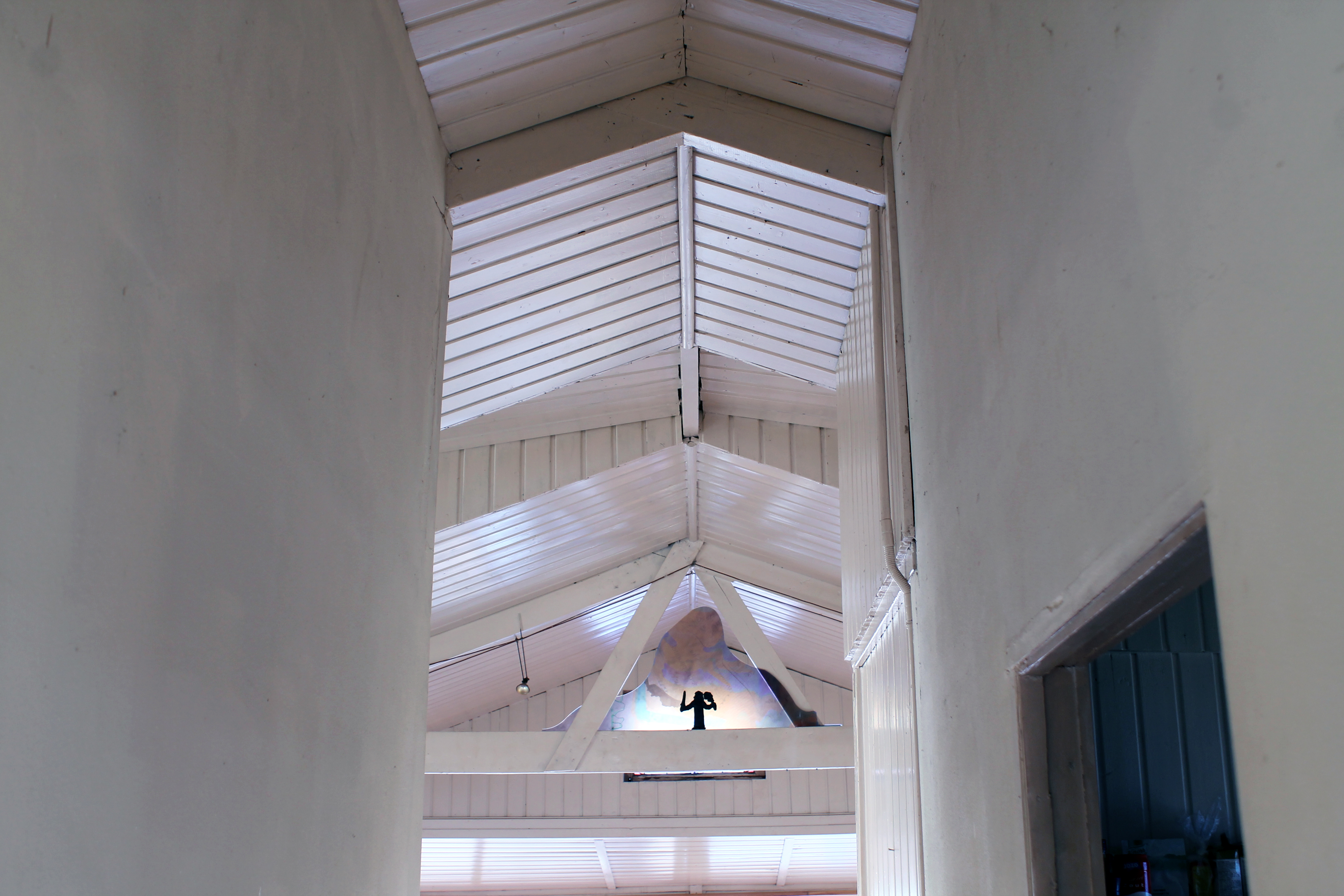
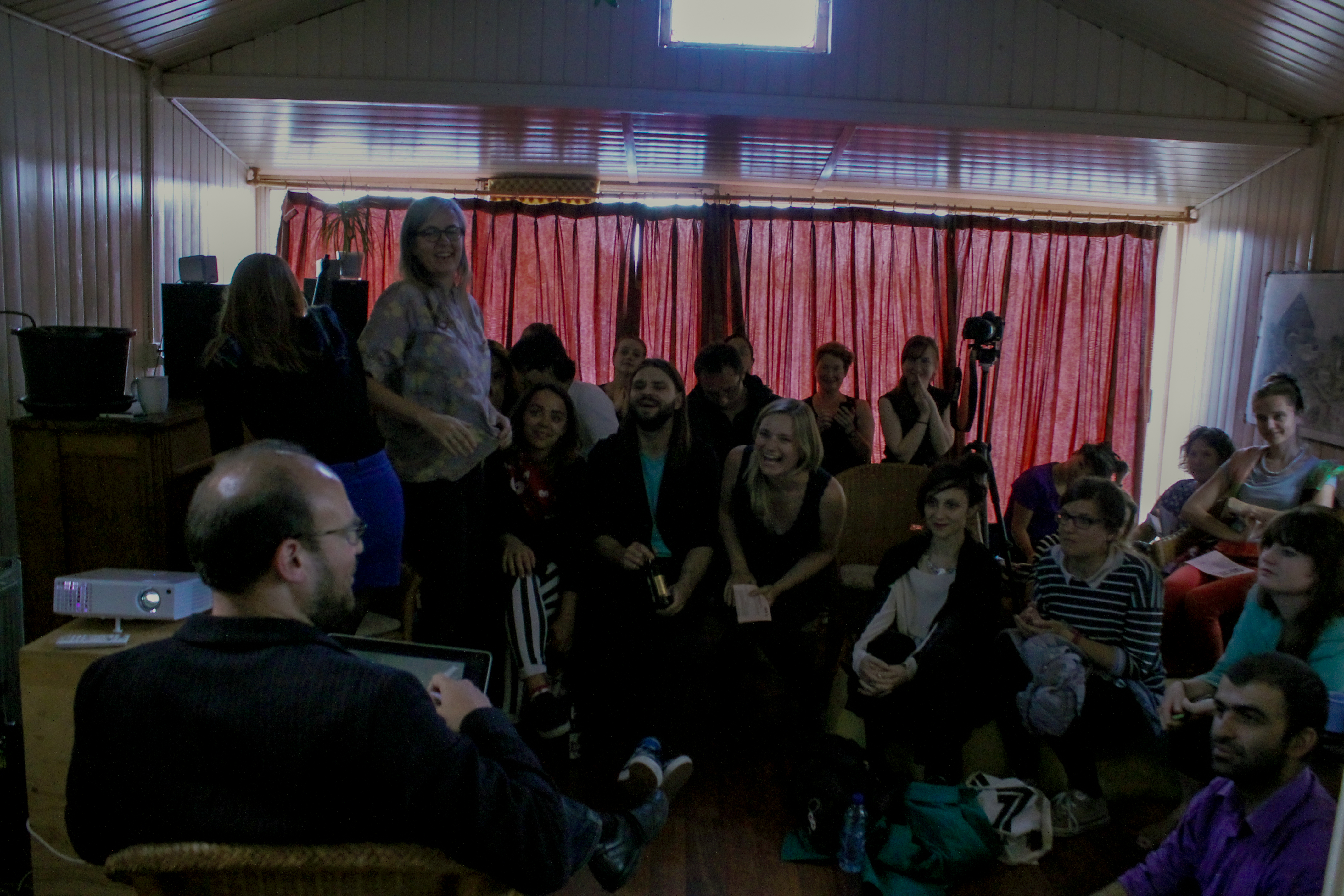
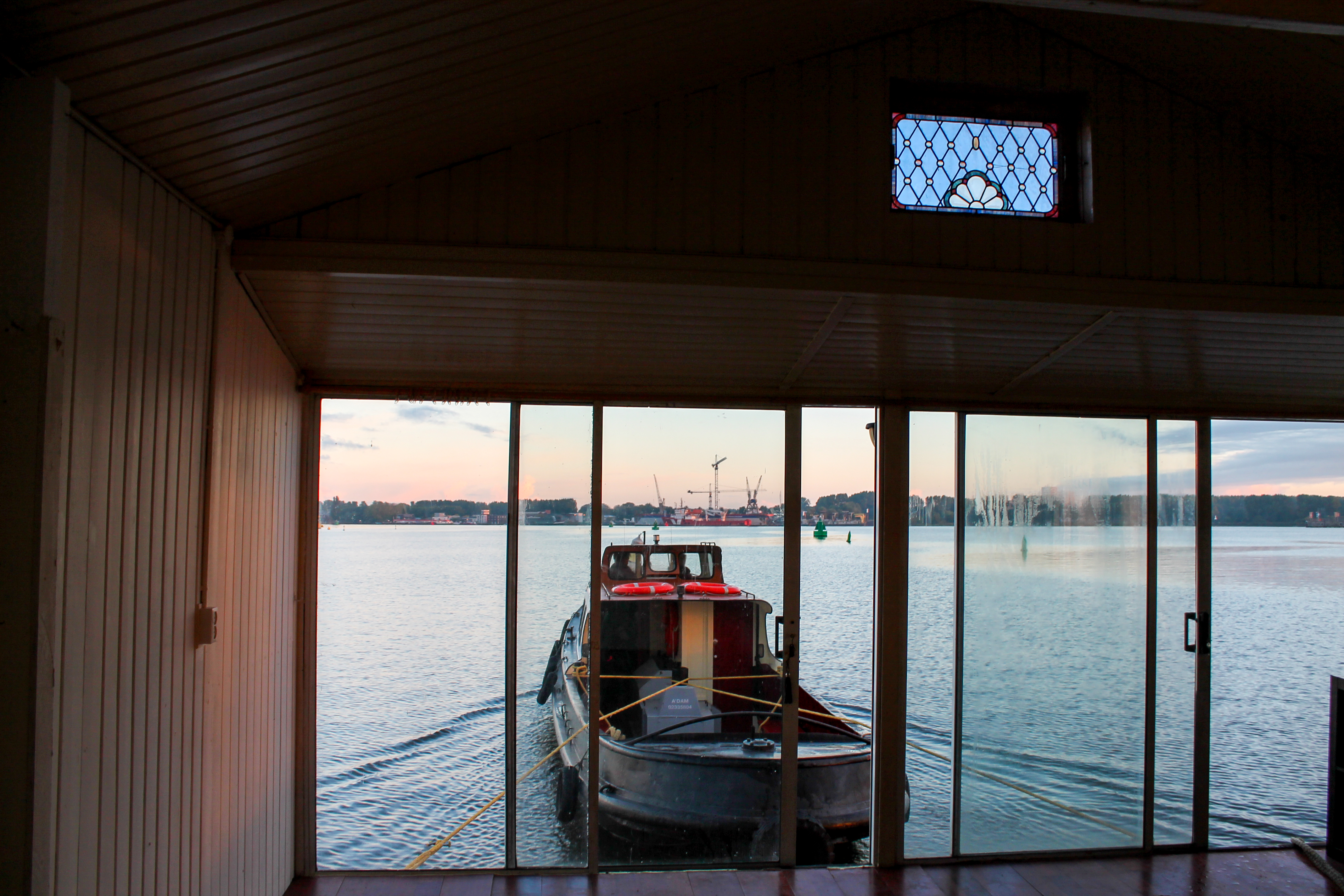
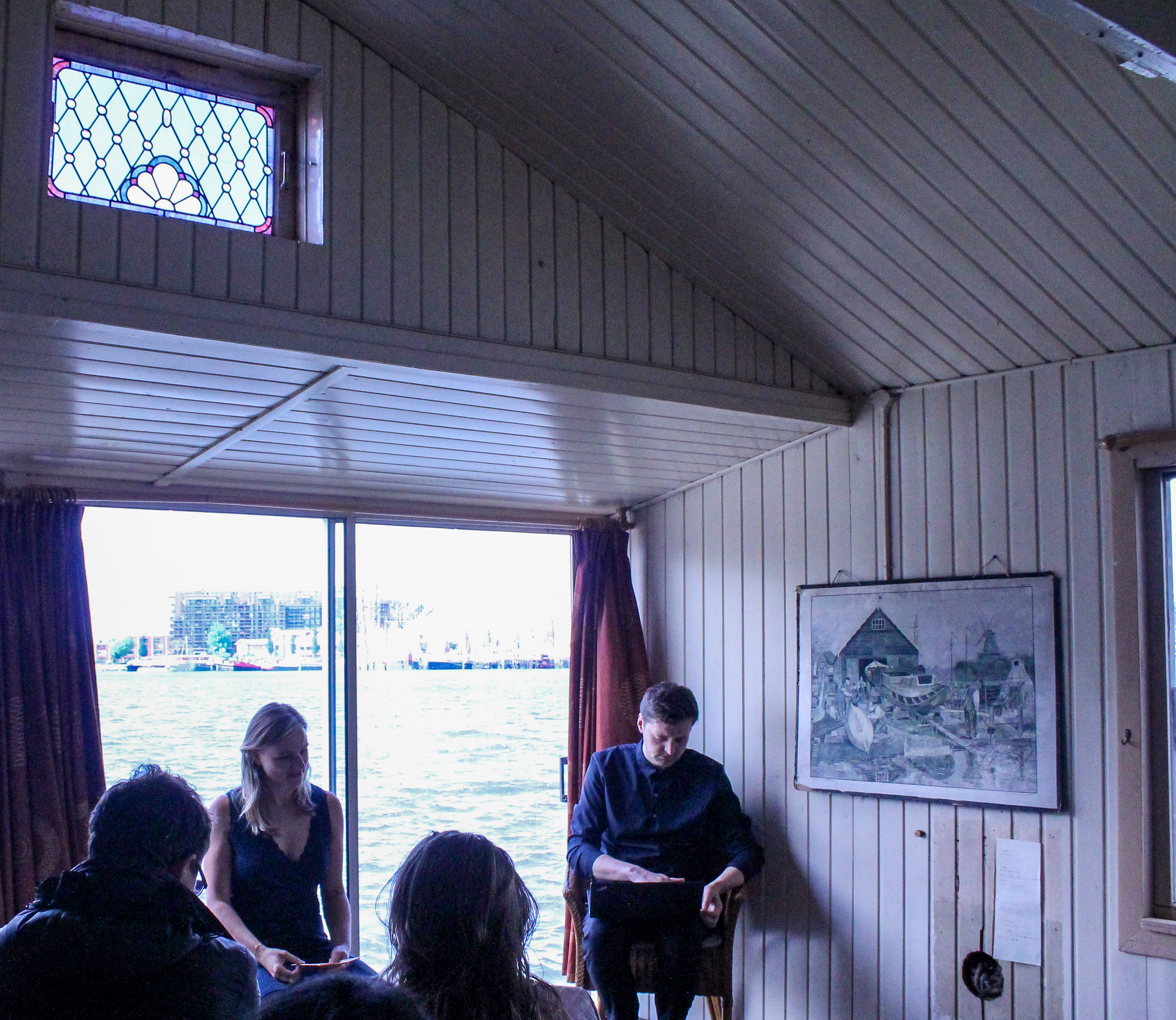
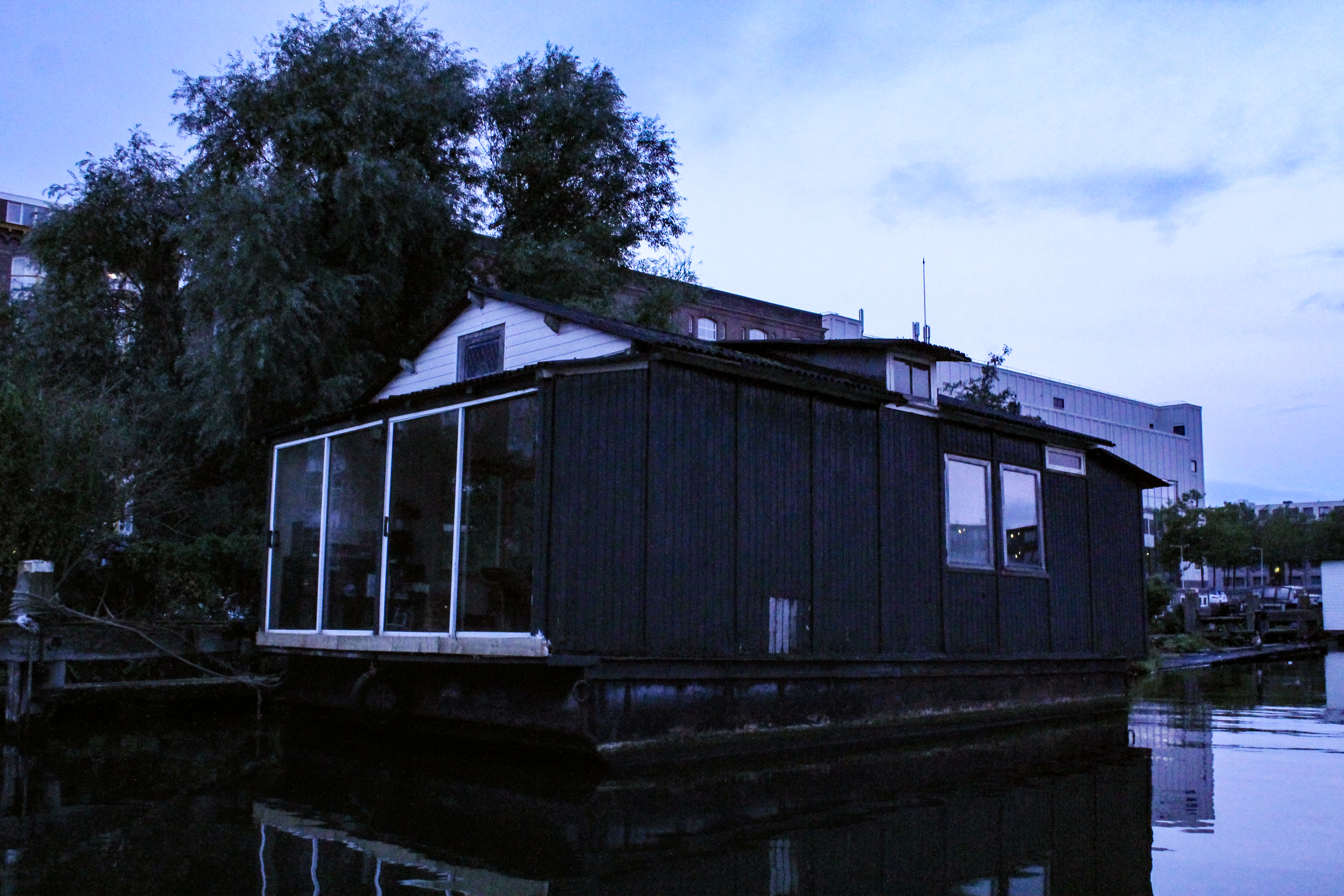
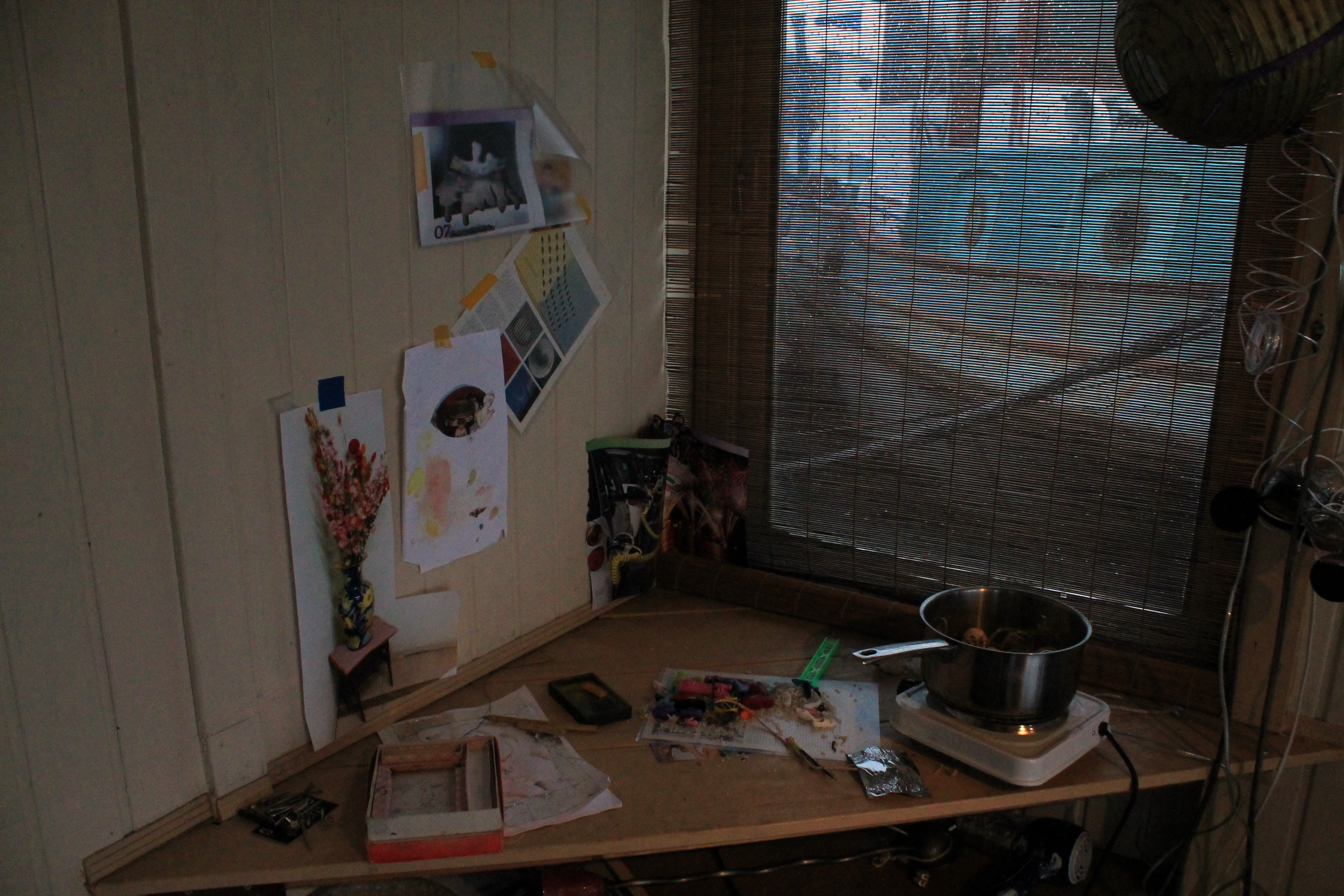
Since its inception, Petra Ark Space has developed through collaborations with artists, writers, curators, researchers and cultural practitioners working across diverse disciplines and geographies. The project has hosted exhibitions, discussions, performances, readings and experimental interventions that collectively contribute to the evolving identity of the floating platform.
Participants and collaborators have included Josephine Arnell, Rainyr Askher, Jokubas Cizikas, Zygimantas Kudirka, Robertas Narkus, Nicholas Riis, Floris Schoenfeld, Jay Tan, Geo Wyneth, Katia Krupennikova, Olga Ganzha, Masha Ru, Maja Bekan, Laura Pardo, Serena Lee, Gluklya, Valentinas Klimasauskas, Sanne Oorthuizen, Aaron Schuster, Sarah van Lamsweerde, Susan Van Veen and Djana Covic, Auridas Gajauskas, Diego Tonus, David Bernstein alongside numerous additional contributors, participants and visitors.